Phone
Consular Issues
Phone
Uzbekistan news
We recommend
Uzbekistan and Belarus: Stable Partnership and Strategic Development Prospects
📅 09.07.2026
Contemporary relations between Uzbekistan and Belarus demonstrate a steady upward trajectory, based on the principles of mutual respect, trust and pragmatism. Despite their geographical distance, the two countries have succeeded in establishing an effective system of partnership built upon the complementarity of their economies, the similarity of their approaches to socio-economic development, and their shared interest in expanding mutually beneficial cooperation.
Since 2017, the dialogue between the two states has acquired a qualitatively new substance. Regular contacts at the highest and high levels, the work of the Intergovernmental Commission, as well as the holding of regional forums and business events, have made it possible to give bilateral cooperation a comprehensive and systematic character.
An important factor in the expansion of international ties has been the large-scale reforms carried out in Uzbekistan under the leadership of President Shavkat Mirziyoyev. Economic liberalisation, the improvement of the investment climate, the development of free economic zones and the policy of openness have significantly increased the country’s attractiveness and created additional opportunities for deepening bilateral partnership.
Today, amid the transformation of the global economy, the restructuring of logistics chains and the emergence of new centres of economic growth, this partnership is gaining particular relevance and strategic significance.
At the same time, a key factor in the sustainable development of Uzbek-Belarusian relations is the high level of political mutual understanding. The constructive mechanism of interaction established by the two sides enables them to effectively coordinate joint actions across a broad range of issues.
The strong dynamics of relations are evidenced by regular negotiations at the highest level: since 2017, more than eight meetings have been held. Such an intensive schedule of contacts has made it possible to promptly address emerging issues on the bilateral agenda and define long-term priorities.
A powerful impetus to cooperation was provided by the official visit of President of Belarus Alexander Lukashenko to Uzbekistan in February 2024. Following the visit, a Joint Statement was adopted and a Roadmap was prepared for the implementation of the agreed decisions. Practically all subsequent steps — in trade, industrial cooperation and the humanitarian sphere — have been a direct result of these agreements.
In February 2026, Tashkent hosted Prime Minister of Belarus Alexander Turchin. During his talks with President of Uzbekistan Shavkat Mirziyoyev, a new agenda was outlined in preparation for upcoming interstate events at the highest level, and the readiness of both sides to consistently implement the planned projects was reaffirmed.
The practical elaboration of joint initiatives is carried out within the framework of the Intergovernmental Commission on Bilateral Cooperation. In May 2026, its 12th meeting was held under the co-chairmanship of Deputy Prime Ministers of Uzbekistan and Belarus Jamshid Khodjaev and Yuri Shuleiko.
The parties discussed preparations for the Partnership Roadmap for 2026–2030, as well as measures to further expand trade, economic and investment cooperation. Particular emphasis was placed on broadening the range of mutual supplies, intensifying industrial cooperation and establishing joint production facilities for high value-added goods. The priority areas identified include electrical engineering, pharmaceuticals, the chemical industry, agricultural machinery production, construction materials, textiles and ready-made garments.
Contacts between the foreign ministries deserve special attention. In 2025, Minister of Foreign Affairs of Belarus Maxim Ryzhenkov visited Termez, where, together with his Uzbek counterpart Bakhtiyor Saidov, he discussed prospects for expanding trade routes through the free trade zone of the International Trade Centre Termez, as well as promoting routes through Afghanistan. This confirms that transit and logistics are assuming an increasingly important place on the bilateral agenda.
The treaty and legal framework of Uzbek-Belarusian relations is also being consistently expanded. To date, the two countries have concluded more than 126 interstate, intergovernmental and interdepartmental agreements regulating cooperation in various areas. This extensive body of agreements forms a reliable institutional basis for cooperation, enabling political decisions to be translated into practical implementation and ensuring continuity in key areas.
The trade and economic sphere demonstrate the highest growth rates. Over the past five years, mutual trade turnover has increased 2.7 times. Belarusian supplies to Uzbekistan have grown 2.5 times, while Uzbek exports to Belarus have increased almost fourfold. By the end of 2025, a 25 per cent rise in mutual trade was recorded, bringing its volume to USD 965 million. This brings the two sides close to the USD 1 billion threshold set by the heads of state as a strategic benchmark.
Moreover, the pace of growth is accelerating. In the first quarter of 2026 alone, trade turnover increased by almost 50 per cent year-on-year, reaching USD 259.7 million. Against this background, the parties have begun developing a joint programme to raise trade turnover to USD 2 billion by 2030. Today, Belarus ranks third among CIS countries in terms of trade turnover in Uzbekistan’s foreign trade, after only Russia and Kazakhstan.
The principal components of Uzbekistan’s exports to Belarus include textiles, fruit, metals and selected industrial products. Imports from Belarus consist primarily of meat and dairy products, timber, vehicles, pharmaceuticals, fuel, machinery, equipment and metal products.
An important step towards expanding trade and economic cooperation was the announcement in March 2026 of the establishment of the Uzbekistan Trade House in Minsk. The project envisages the creation of a permanent platform for promoting Uzbek products, showcasing the output of domestic manufacturers and strengthening business-to-business ties.
Importantly, bilateral interaction extends well beyond trade. Increasing significance is being attached to industrial cooperation aimed at establishing joint ventures, localising technologies and developing export-oriented production facilities.
As of early 2025, approximately 250 enterprises with Belarusian capital were registered in Uzbekistan, while around 87 joint Uzbek-Belarusian companies were operating in Belarus. The overall portfolio of joint projects exceeds USD 300 million, demonstrating that bilateral cooperation has evolved into a systematic and sustainable partnership rather than a series of isolated business initiatives.
The priority areas of industrial cooperation include mechanical engineering, electrical engineering, pharmaceuticals, the textile industry and food processing. Traditionally, agricultural machinery has remained the flagship area of cooperation, with Belarusian products—including tractors, combine harvesters and specialised agricultural equipment—holding strong positions in the Uzbek market. Today, however, the two countries are moving to a new stage by establishing assembly lines and manufacturing facilities within Uzbekistan.
In February 2026, prospects for further cooperation were thoroughly examined during a business dialogue held at the Mogilev Free Economic Zone, with the participation of diplomats, regional authorities and business representatives from both countries. The participants identified several priority sectors, including electrical engineering, the chemical industry, construction materials and textiles, while also emphasising the importance of expanding the presence of Belarusian companies in the Uzbek market through investment mechanisms rather than relying solely on exports.
It should be noted that a solid practical foundation for deeper cooperation has already been established. A joint production facility manufacturing BELARUS tractors operates in the Tashkent Region; in partnership with EnergoKomplekt, the Enco Group high-voltage cable manufacturing plant has been launched; and the Belarusian-Uzbek joint venture UzShoes has been successfully operating in the city of Karshi.
The two countries have also agreed to promote joint production of high value-added goods. This transition—from traditional trade to the joint creation of competitive industrial products—represents the most significant qualitative shift in bilateral economic relations.
One of the most promising areas of cooperation remains the agro-industrial sector. According to the results of 2025, agricultural products accounted for almost 25 per cent of Belarus’s total exports, while the agro-industrial sector generated around 7 per cent of the country's GDP. These figures highlight considerable potential for cooperation within the CIS market, based on the complementary nature of the two economies. Belarus possesses a highly developed dairy and meat industry, grain processing capacities and an advanced food industry, whereas Uzbekistan offers a rich agricultural resource base, a strong fruit- and grape-growing sector, and a large consumer market.
Against this backdrop, the cooperation agreement on food security and food industry development, signed in Tashkent in May 2026 between the relevant ministries of the two countries, represents a logical and important step forward. The agreement elevates bilateral cooperation in the agro-industrial sector to a fundamentally new level of systematic and predictable partnership, replacing ad hoc commercial transactions with long-term strategic collaboration. A clear indication of this progress is the substantial increase in bilateral trade in agricultural and food products, which reached USD 338.9 million in 2025, compared with USD 234.2 million the previous year.
From a long-term perspective, the establishment of joint agro-industrial enterprises in Uzbekistan for fruit and vegetable processing, dairy production, storage technologies and logistics represents an area of considerable strategic importance. Belarusian expertise in land reclamation and water management could also be effectively applied, particularly in the context of Uzbekistan’s large-scale programmes for the development of new irrigated agricultural land.
Another important indicator of bilateral cooperation is the volume of freight transportation. In 2025, cargo shipments exceeded 796.6 thousand tonnes, representing a 6 per cent increase compared with the previous year. At the same time, both countries continue to actively diversify transport routes, including through Central Asia and Afghanistan, thereby enhancing the reliability and resilience of supply chains.
Interregional cooperation is also developing dynamically. Direct partnership links between the regions and cities of Uzbekistan and Belarus complement the central-level political dialogue and serve as an important source of practical initiatives. It is at the regional level that concrete production chains, educational partnerships and cultural exchanges are being established.
The sustainability of this dimension of cooperation is evidenced by the growing intensity of contacts between the regions of the two countries. Since 2017, more than 40 visits by representatives of the regions of Uzbekistan and Belarus have taken place, reflecting the high level of engagement. Regional Forums have played a particularly important role in institutionalising bilateral relations, becoming a regular and effective platform for launching new joint initiatives. A notable example was the conclusion in 2025 of cooperation agreements between the cities of Navoi and Orsha, as well as Termez and Polotsk, giving these partnerships a practical and long-term orientation.
Overall, the accumulated potential of Uzbek-Belarusian cooperation indicates that bilateral partnership has entered a qualitatively new stage of development. Its progress is now determined not only by the positive dynamics of individual indicators, but also by the establishment of sustainable mechanisms of cooperation that ensure the long-term implementation of the strategic course pursued by both countries.
The political, institutional and economic foundations that have been established enable the two sides to pursue ambitious objectives aimed at deepening industrial cooperation, attracting investment, strengthening transport connectivity and implementing joint projects in high-technology and innovation-driven sectors. Taken together, these factors demonstrate that Uzbekistan and Belarus possess a substantial reserve of resilience and maintain significant potential for further progress in the interests of both nations.
Iroda Imamova
Leading Research Fellow
Institute for Strategic and Interregional Studies under the President of the Republic of Uzbekistan
Uzbekistan - Kyrgyzstan: from border neighborhood to long-term economic cooperation
📅 21.07.2026
Relations between Uzbekistan and Kyrgyzstan have in recent years become one of the key pillars of regional cooperation in Central Asia. They are underpinned by a shared border, historical ties, sustained dialogue between the two countries’ leaders, and growing interdependence in trade, transport, energy, industry, agriculture, and the development of border regions. Consequently, the bilateral agenda is increasingly moving beyond traditional good-neighbourly relations and evolving into a comprehensive economic partnership.
Regular high-level contacts provide the strategic framework, while the Joint Commission on Bilateral Cooperation remains the principal mechanism for intergovernmental coordination. In May 2026, the Deputy Prime Ministers of the two countries met on the sidelines of the KazanForum. In June, the relevant ministers discussed current issues of trade, investment, and economic cooperation, while the 12th meeting of the Intergovernmental Commission was held in Cholpon-Ata on 22–23 June.
Direct interregional ties remain an important element of this architecture. The Council of Hokims of Uzbekistan’s border regions and Plenipotentiary Representatives of the President of Kyrgyzstan, established in 2017, was renewed in 2025 through the establishment of the Council of Heads of Regions of the two countries. As a continuation of this initiative, Uzbekistan plans to host the first Forum of Regions. This format has practical significance for trade, logistics, border checkpoints, markets, and local entrepreneurship.
Business contacts are also becoming increasingly intensive. In July 2024, Tashkent hosted a business forum attended by 350 entrepreneurs, which resulted in the signing of 20 documents worth USD 213 million. Preparations for the next forum in Bishkek confirm the continuity of this track and its focus not only on trade transactions but also on projects involving industrial cooperation.
Trade dynamics reflect growing economic interest. By the end of 2025, bilateral trade had reached nearly USD 1.2 billion, an increase of 36.4%. The positive trend continued in January–May 2026, with trade turnover reaching USD 468.8 million, up 43.9%. Uzbekistan’s exports increased by 60.8%, while imports from Kyrgyzstan rose by 12.1%. The structure of trade also demonstrates a broad sectoral base, ranging from textiles, food products, construction materials, and equipment in Uzbekistan’s exports to ores, electricity, metals, and plastics in imports from Kyrgyzstan.
To consolidate these trends, the two countries are implementing a programme to increase bilateral trade for 2024–2030. Its purpose is to move beyond growth in individual product categories towards a more sustainable supply model by expanding the range of goods, developing promotion and distribution channels, and eliminating trade barriers. As part of this work, the parties are considering issues related to coal, construction materials, livestock, seedlings, and sheet glass.
The next level of cooperation involves trade, logistics, and industrial instruments. The Termez International Trade Centre provides Kyrgyz products with an additional southern route, while trading houses in Bishkek and Tashkent could serve as permanent channels for promoting goods. Assembly facilities using components from Uzbekistan would give bilateral trade a stronger industrial dimension.
The investment component is supported by the mutual presence of businesses: 450 enterprises with Kyrgyz capital operate in Uzbekistan, while 85 enterprises with Uzbek capital operate in Kyrgyzstan. This indicates a transition from conventional trade operations to more sustainable forms of business engagement.
On this basis, industrial cooperation is acquiring tangible substance. Automobile production has been launched in the Chuy Region with the participation of the Uzbek side, including the manufacture of Onix, Captiva, Damas, Cobalt, Tahoe, and Tracker models.
At the same time, sectoral opportunities are not limited to the automotive industry. In the field of geology, the parties are interested in the joint exploration of several deposits, including iron ore and phosphorites, as well as cooperation on critical minerals. In the pharmaceutical sector, plans are being developed to manufacture affordable medicines.
The light industry sector holds particularly significant potential. Textile enterprises have already been established in Kara-Balta and Andijan, garment production is expanding in Bishkek and the Osh Region, and fabric manufacturing is being developed in the Chuy Region.
Alongside industrial initiatives, energy cooperation continues to be of strategic importance. The Kambarata HPP-1 project occupies a central place in this area. It is important to accelerate the coordination of the relevant intergovernmental agreement and ensure a balance between the parties’ water and energy interests.
The transport dimension complements this logic, as it directly affects the sustainability of economic ties. Transport operators in both countries require predictable operating conditions. Therefore, the establishment of a working group and the preparation of a joint transport and logistics programme for 2026–2028 remain relevant priorities.
The Uzbek-Kyrgyz Development Fund provides the financial foundation for some of these initiatives. Its portfolio already includes projects in transport, finance, light industry, construction materials, and energy. Expanding the Fund’s project portfolio and considering the participation of the Kyrgyz side in its authorised capital could further strengthen the sustainability of this mechanism.
Border infrastructure is of particular importance, as it translates the broader bilateral agenda into practical cooperation at the regional and local levels.
Overall, these areas demonstrate that Uzbek-Kyrgyz relations are progressing towards a more mature economic model. Growing trade, industrial projects, energy coordination, transport corridors, agricultural and industrial initiatives, and the expansion of financial instruments are forming not a fragmented set of agreements, but an interconnected system of long-term partnership.
Uzbekistan: An Open and Safe Destination Recognized by the International Community
📅 15.07.2026
In today's interconnected world, a country's attractiveness is measured not only by its economic potential or cultural heritage, but also by how safe people feel in their daily lives. Public safety has become one of the key factors influencing tourism, investment and international cooperation.
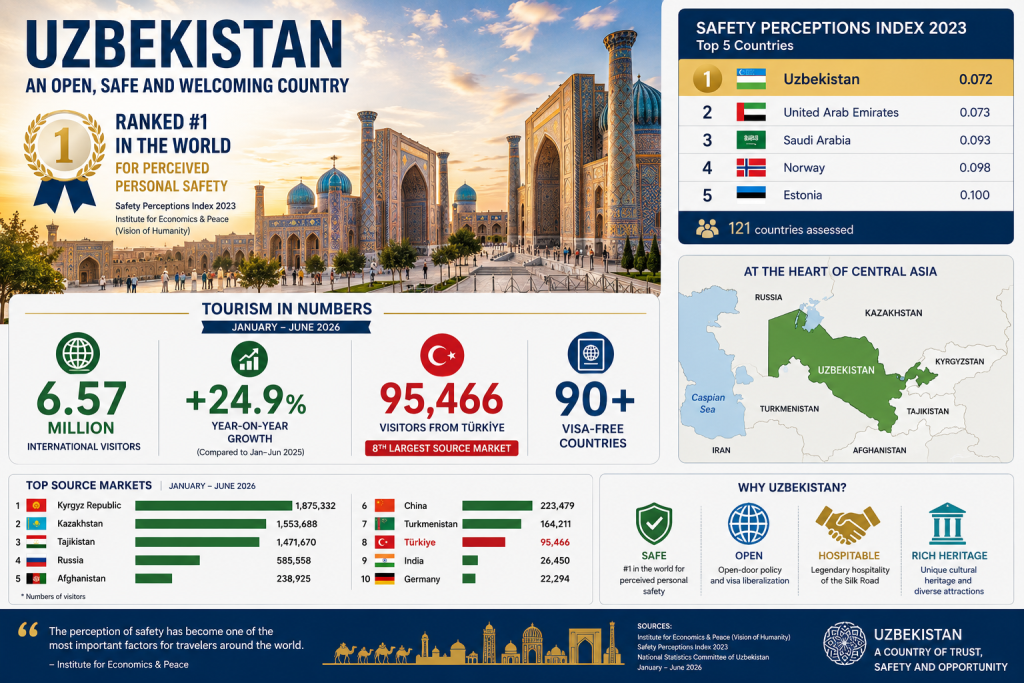
According to the Safety Perceptions Index 2023, published by the Institute for Economics & Peace (Vision of Humanity), Uzbekistan ranks first among 121 countries worldwide in perceived personal safety.
The index is based on data from the World Risk Poll and measures people's perception of safety in everyday life rather than official crime statistics.
This achievement reflects the effectiveness of Uzbekistan's ongoing reforms aimed at strengthening public security, modernizing infrastructure, expanding digital public services and pursuing a policy of openness.
Today, Uzbekistan continues to strengthen its position as one of Central Asia's most attractive destinations for tourism, investment and international partnership. Visa liberalization, improved connectivity, modern infrastructure and the country's renowned hospitality have created a welcoming environment for visitors from around the world.
International experts increasingly recognize that the perception of safety has become one of the most important factors shaping travel decisions. In this context, Uzbekistan's leading position in the Safety Perceptions Index 2023 reinforces the country's reputation as a reliable, secure and welcoming destination.
Combining the legacy of the ancient Silk Road with modern development, openness and social stability, Uzbekistan offers a unique environment where history, innovation and security come together.
Uzbekistan — a country of trust, stability and opportunity.

Preliminary results of parliamentary elections in Uzbekistan announced
📅 28.10.2024The text of the article is in Uzbek!

A system will be created in Uzbekistan to continuously improve the knowledge of citizens and civil servants in the fight against corruption
📅 26.06.2024
The President of Uzbekistan has signed the Resolution “On measures to introduce a system of continuous improvement of knowledge of the population and civil servants in the fight against corruption”.
The legal and institutional framework for preventing and combating corruption has been improved in Uzbekistan in recent years. At the same time, there is a need to raise to a new level the system of developing an intolerant attitude towards corruption among the population and civil servants, immunizing them with ‘integrity vaccine’, as well as increasing knowledge and skills in the fight against corruption based on the requirements of the time.
In this regard, the President of Uzbekistan has signed the Resolution “On measures to introduce a system of continuous improvement of knowledge of the population and civil servants in the fight against corruption”.
The Resolution will introduce a system of continuous improvement of knowledge of the population and civil servants in combating corruption.
For this purpose, from January 1, 2025, the Virtual Anti-Corruption Academy electronic platform (Virtual Academy) will be launched.
The Anti-Corruption Agency and the Law Enforcement Academy are in charge in organization and conduct of educational activities at the Virtual Academy. The Agency forms a contingent of civil servants who are subject to training, in agreement with the Academy, approves the annual training schedule, and monitors the quality organization of the educational process. The Agency submits annually information on the activities of the Virtual Academy to the National Anti-Corruption Council.
The key is that any citizen will have the opportunity to voluntarily study at the Academy’s basic courses. In particular, educational programs of various formats will be developed for preschool and school children, students, entrepreneurs, and representatives of nongovernmental organizations, taking into account their age, level of development and field of activity.
Increasing knowledge and skills in combating corruption at the Academy is mandatory for all civil servants.
This, undoubtedly, is of great importance in increasing the legal consciousness and culture of the population and civil servants, creating legal immunity from corruption in society, and cultivating the integrity values in the younger generation.
Training at the Virtual Academy in basic courses is organized free of charge for all users, and advanced training in special courses is fee-based.
The Agency formulates recommended annual research topics in the field of anti-corruption for higher education institutions and research organizations. All higher education and research organizations will annually submit to the Agency the results of research they conducted in the area. The Academy will maintain an electronic database on achievements, domestic and foreign experience, scientific, methodological and practical developments and research work.
Based on the Resolution, a Road Map is approved to ensure the effective functioning and strengthening of the material and technical base of the Virtual Anti-Corruption Academy electronic platform.
According to it, the Virtual Anti-Corruption Academy electronic platform and its mobile app will be launched by January 1, 2025. Special programs and content organized in the Virtual Academy for pre-school and school children, and students will be developed by October 1, 2024.
As part of the Global Resource for Anti-Corruption Education and Youth Empowerment (GRACE) Initiative, measures will be taken to create high-quality animated films, video and audio materials intended for students.
The launch of the Virtual Academy will serve to accelerate the formation of an intolerant attitude towards corruption in society, as well as the introduction of a system of continuous improvement of the knowledge and skills of the population and civil servants in the fight against corruption.
Dunyo IA
Transforming the Aral Sea region into a global hub for climate technologies: green energy, water-saving innovations, and opportunities for international partnership
📅 08.10.2025
Introduction: The Significance of President Shavkat Mirziyoyev’s participation in the 80th session of the United Nations General Assembly
The participation of the President of the Republic of Uzbekistan in the 80th session of the United Nations General Assembly (UNGA) this September held profound political and historic significance not only for our country but for the entire region. Speaking from this prestigious platform, which gathers heads of state from across the globe, Uzbekistan raised critical issues including sustainable development, combating climate change, ensuring food security, and the efficient management of water resources.
Through his address at the United Nations, a premier global institution, our President further solidified Uzbekistan’s international standing and reputation as a proactive and responsible state. Notably, by showcasing the ecological and innovative initiatives being implemented in the Aral Sea region, Uzbekistan demonstrated its openness to global cooperation in addressing pressing environmental challenges.
Another significant aspect of this participation is the integration of Uzbekistan’s international environmental initiatives into the global political agenda, highlighting the Aral Sea region as an open platform for advancing climate technologies.
During the visit, the initiatives concerning the Aral Sea region received significant attention from the international community.
During his address at the 80th session of the United Nations General Assembly, our President paid special attention to the environmental disaster in the Aral Sea region and the ongoing initiatives aimed at mitigating its consequences. This issue has garnered significant focus from the international community, reaffirming that the Aral Sea crisis is recognized not only as a regional challenge but also as a global environmental concern.
Uzbekistan’s initiative to transform the Aral Sea region into a hub of sustainable development and innovation has received strong support from international partners. In particular, significant opportunities were highlighted for implementing joint projects in areas such as green energy, water-saving technologies, ecotourism, and the restoration of biodiversity.
Thus, the raising of the Aral Sea issue on the prestigious platform of the United Nations during the visit served as a significant political and practical foundation for strengthening global cooperation and attracting increased attention from international donors and organizations.
Transforming the Aral Sea region into a hub for global climate technologies.
The challenges arising from the desiccation of the Aral Sea serve as a profound lesson for the entire world. In response, Uzbekistan aims to transform the Aral Sea region into a “global laboratory” by implementing advanced practices in green energy, water-saving technologies, biodiversity restoration, and climate change adaptation.
Such an approach not only addresses regional challenges but also offers an effective model for the international community. The projects being implemented in the Aral Sea region can subsequently serve as a replicable framework for other areas facing the impacts of climate change.
On May 18, 2021, during the 75th Session of the United Nations General Assembly, our President put forward the initiative to designate the Aral Sea region as a hub for ecological innovations and technologies. This proposal received enthusiastic support from the United Nations and the international community, and was unanimously adopted by all member states during the General Assembly plenary session. This resolution underscores Uzbekistan’s consistent and steadfast commitment to addressing the Aral Sea crisis and mitigating associated risks through a principled and effective approach.
The Aral disaster and its lessons for humanity.
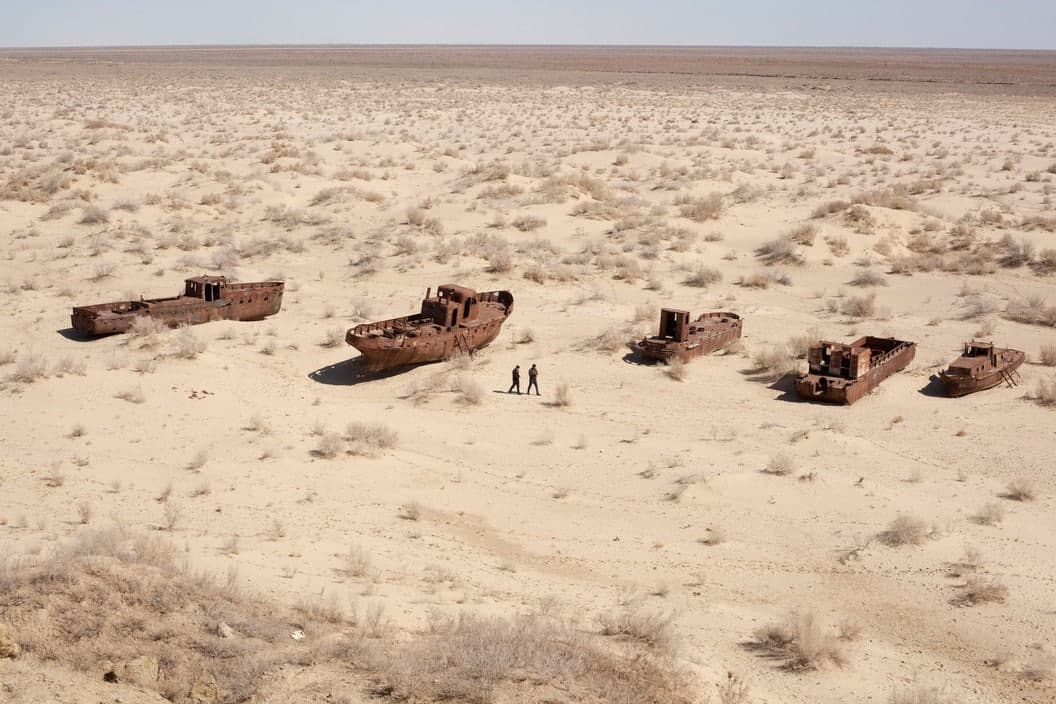
The Aral Sea disaster is recognized worldwide as one of the greatest environmental catastrophes in human history. Once the fourth-largest lake in the world by surface area, the Aral Sea has almost completely dried up over the past half-century. This tragic development has dealt a severe blow to the regional climate, biodiversity, public health, and economy.
The drying up of the Aral Sea stands as a vivid example of human intervention that was not in harmony with nature. Excessive and inefficient use of water in irrigation, coupled with ineffective irrigation systems and planning errors, led to this major environmental disaster.
This tragedy underscored the necessity for humanity to use natural resources efficiently and wisely, highlighting the importance of developing water supply and agriculture solely based on sustainable technologies. At the same time, it clearly demonstrated that ensuring environmental security requires global solidarity and close international cooperation.
The imperative of sustainable development in the region.
The Aral Sea region today represents one of the most critical challenges for environmental, social, and economic sustainability in Uzbekistan and the broader Central Asian region. The limitations of natural resources, issues related to water supply, ongoing desertification processes, and declining living standards underscore the urgent need to implement a comprehensive sustainable development strategy in this area.
The necessity for sustainable development in the Aral Sea region is grounded in several key factors. Primarily, environmental security remains a pressing concern: frequent dust storms, soil degradation, and the loss of biodiversity pose direct threats to public health and the quality of life. Additionally, economic considerations are paramount, as the modernization of agriculture — the main source of income for the local population — requires the adoption of water-saving and innovative technologies.
Ensuring social sustainability requires a comprehensive set of measures aimed at creating new employment opportunities, increasing household incomes, and mitigating the risks of environmental migration. Furthermore, given that the challenges in the Aral Sea region transcend regional boundaries and hold global significance, addressing them necessitates reliance on international cooperation and partnership.
Opportunities of the Aral Sea region as an international innovation hub and platform for cooperation.
It is widely recognized that Uzbekistan has undertaken extensive and positive national efforts to combat the adverse environmental and public health impacts caused by the drying up of the Aral Sea. Since the early years of independence, the population of the White Aral Sea region has consistently felt the substantial support of the Uzbek government. The Government of Uzbekistan remains committed to paying continuous attention to the social welfare of the communities residing in the Aral Sea area.
Today, the Aral Sea region serves as an international innovation hub, playing a crucial role in promoting sustainable development in an area severely affected by ecological crisis. Through scientific, innovative, and practical projects, the center actively advances comprehensive work in key sectors including environmental protection, water resource management, agricultural technologies, energy, climate adaptation, and international cooperation.
In order to enhance the activities of the Center and further develop ecological and innovative technologies in the Aral Sea region, the Aral Sea International Innovation Center was transferred under the jurisdiction of the Ministry of Ecology, Environmental Protection, and Climate Change of the Republic of Uzbekistan, in accordance with Presidential Decree No. PQ-171 dated May 31, 2023.
In accordance with Presidential Decree No. PQ-5202 dated July 29, 2021, a modern laboratory, business accelerator training center, and technopark building, valued at 12.4 billion Uzbek soms, were completed and commissioned in 2024 within the Center’s premises. The laboratory is equipped with a plant seed gene bank and serves as a crucial scientific and innovative platform for preserving biodiversity in the region, protecting both native and introduced species, and achieving high efficiency in agricultural practices.
Currently, efforts are underway to commence full-scale operations at the facility, enrich the gene bank with an extensive seed collection, organize scientific research, and enhance the expertise of local specialists. This initiative not only supports sustainable agricultural development in Uzbekistan but also plays a crucial role in ensuring food security amid climate change and advancing international scientific cooperation across the entire Central Asian region.
Over the past period, the Center has established effective cooperation with a range of international and local organizations, as well as research institutes, in conducting scientific research and implementing projects. In particular, agreements and memoranda of understanding have been signed with over 70 foreign and domestic entities. Currently, 20 scientific-practical and innovative projects with a total value of 23.9 billion Uzbek soms are being carried out. These projects encompass alternative green energy, aquaculture, intensive horticulture, medicinal plant cultivation, resource-saving technologies, and social programs.
The Center’s activities are primarily focused on improving the living standards of the population, introducing and developing salt- and drought-tolerant crops, and implementing resource-efficient technologies. At the same time, it carries out scientific-practical and innovative initiatives aimed at restoring ecosystems, preserving biodiversity, and enhancing the quality of life in collaboration with leading international organizations. Among these partners are the United Nations Development Programme (UNDP), the International Center for Biosaline Agriculture (ICBA, UAE), the Xinjiang Institute of Ecology and Geography (China), the Deutsche Gesellschaft für Internationale Zusammenarbeit (GIZ), the Global Green Growth Institute (GGGI), the Korea International Cooperation Agency (KOICA), the Japan International Cooperation Agency (JICA), and other prestigious institutions.
The “Samanbay” (24.3 hectares) scientific-production site in Nukus district and the “Moynoq” (106 hectares) site in Moynoq district serve as the primary experimental and testing bases of the Center. At these sites, experimental research and monitoring activities are being conducted in cooperation with foreign and local organizations. Additionally, the Center hosts joint laboratories established in partnership with international collaborators, as well as its own in vitro, soil, water, and plant biotechnology laboratories. These infrastructures support the deepening of scientific research carried out in the experimental fields and enhance the effectiveness of ongoing studies.
Each of the ongoing projects is aimed at creating long-term solutions for the Aral Sea region. Thanks to its innovative approach and international cooperation, the Aral Sea International Innovation Center is gradually becoming the primary platform in Central Asia for scientific research, technological development, and sustainable development.
In its future plans, the Aral Sea International Innovation Center aims to ensure environmental sustainability by implementing innovative eco-technologies, including desertification control measures and smart agriculture solutions.
Simultaneously, to strengthen scientific research activities, plans have been made to establish modern laboratories, a business accelerator, a training center, a technopark, experimental sites, and data analysis centers.
The Center aims to implement large-scale joint projects by further expanding cooperation with international organizations. Additionally, one of the Center’s priority directions is developing programs focused on fostering innovative ideas, creating startups, and enhancing professional skills for farmers, entrepreneurs, local communities, youth, and women.
Conclusion
The Strategic significance of the initiative to transform the Aral Sea region into a global hub for climate technologies.
The initiative to transform the Aral Sea region into a global hub for climate technologies holds strategic significance not only on a regional scale but also worldwide. Its core essence lies in ensuring environmental sustainability, conserving water resources, mitigating desertification processes, and restoring biodiversity.
At the same time, the introduction of solar and wind energy, modern irrigation systems, and innovative technologies will open broad avenues for the development of a green economy in the region. This initiative will strengthen cooperation with international organizations such as the United Nations and the Green Climate Fund, creating new employment opportunities for the local population and enhancing overall prosperity.
Most importantly, the Aral Sea region’s experience will serve as an effective model in addressing climate change and water resource challenges on a global scale in the future.
Director of the Aral Sea International Innovation Centre under the Ministry of Ecology, Environmental Protection and Climate Change of the Republic of Uzbekistan
B.S.Khabibullaev
Uzbekistan and Kazakhstan: Digital Cooperation Enters a New Phase
📅 20.04.2026
In recent years, cooperation between Uzbekistan and Kazakhstan in the field of information and communication technologies (ICT) has expanded steadily, acquiring strategic significance. This partnership not only strengthens economic ties between the two nations but also serves as a foundation for the formation of a unified digital space across Central Asia.
A Robust Legal Framework
The legal foundations of bilateral cooperation were established in the early years of independence and have been progressively refined since. Agreements and memoranda concluded in the areas of electrical and postal communications, cross-border telecommunications services, radio frequency coordination, and space research have created a solid basis for bilateral relations. Notably, a new agreement on radio frequency usage signed in 2025 is contributing to the harmonised development of shared digital infrastructure.
Digital Economy: Growth and Investment
Cooperation in the digital economy has intensified considerably in recent years. The number of IT Park residents with Kazakhstani capital has reached 67, with export services valued at USD 2.8 million rendered in 2025 and 755 new jobs created. The number of companies exporting services to the Kazakhstani market has reached 155, with total export volume amounting to USD 17.6 million and a combined workforce of 4,600 employees — a clear indicator of growing mutual trust and an increasingly favourable business environment.
The Central Asian Innovation Hubs platform, established through the cooperation of the region's leading technology parks, has elevated the regional startup ecosystem to a new level, enabling hundreds of startups to access international markets.
Startups and Global Integration
Special attention is being devoted to startup support within the framework of bilateral cooperation. Both countries' startups are actively participating in such prestigious events as ICT Week Uzbekistan and GITEX Global. Kazakhstani and Uzbekistani startups have attracted new investment through participation in international acceleration programmes held in the United States, the UAE, Germany, and the United Kingdom. Forty startups participated in the Draper University, AlchemistX, and Silicon Valley Residency programmes.
One hundred startups under the Central Asian Innovation Hubs umbrella participated in major international conferences, including the AI Forum in Kazakhstan, Eurasia Technology Week in Turkey, Machines Can See Summit in the UAE, GITEX in Germany, and London Tech Week in the United Kingdom.
More than 20 companies with Uzbek capital are currently operating among Astana Hub residents, including Oson, Billz, Sales Doctor, IT Academy for Engineers, Verifix, Smartup, Iman, Uysot, Smartcast, Tezbor, Platma, and BITO.
The opening of the Khan Tengri Innovation Hub in Shanghai has broadened market entry opportunities for regional startups in China.
On 3 October 2025, the Kazakhstan Market Entry global acceleration programme was launched during the Digital Bridge 2025 international conference, with 10 startups from the Republic of Uzbekistan presenting their projects on stage. The programme is being conducted in partnership with Astana Hub as an exchange initiative, under which 10 Kazakhstani startups are actively developing their products in the Uzbekistani market through the Digital Startup Awards acceleration programme.
The Digital Startup Awards — one of the region's most prominent initiatives with a total prize fund of USD 1 million — brought together startups from Central Eurasia, including Kazakhstan and other regional markets, through its incubation, acceleration, and Best Startup Project competition components. Upon completion of the programme, 14 startups successfully completed the acceleration track and 15 completed incubations. Based on results achieved and expansion potential, IT Park Ventures invested up to USD 50,000 per startup in SAFE format for acceleration participants, and up to USD 10,000 for incubation participants on the same terms.
Telecommunications: Strengthening Interconnectivity
In the field of telecommunications, direct communication channels have been established between major operators of both countries, enabling the efficient exchange of international telephone and internet traffic. Operators including Uzbektelecom JSC, Kazakhtelecom JSC, Jusan Mobile JSC, TransTeleKom JSC, and TNS-Plus LLC are facilitating the exchange of international direct and transit telephone and telegraph traffic. Additionally, a system for sharing data on the IMEI codes of mobile devices is being introduced between the two states — a significant measure in ensuring information security and combating the circulation of unauthorised devices.
Artificial Intelligence: Forward-Looking Cooperation
Cooperation in the field of artificial intelligence is progressing consistently. Scientific and research ties have been established with the Institute of Artificial Intelligence at Nazarbayev University in Kazakhstan. Specialists from both countries are engaged in joint work on personnel training, the development of research laboratories, and the creation of innovative solutions.
Digital Government: Cross-Border Collaboration
On 17 December 2025, agreements were reached to launch a pilot project on tourism data exchange, building on Memoranda of Understanding signed between the UN ESCAP and both the Republic of Uzbekistan and the Republic of Kazakhstan.
On 13 March 2026, a meeting held at the Digital Government Project Management Centre between UN ESCAP, Korea's National Information Society Agency (NIA), and Kazakhstan's NITEC JSC announced the successful completion of the first phase of the project. During this phase, the legal and technical frameworks for cross-border data exchange among Uzbekistan, Kazakhstan, and Korea were developed, and data-driven analyses were prepared demonstrating their value in decision-making processes. Results pertaining to the activities and consumer behaviour patterns of Korean tourists in Uzbekistan proved particularly significant.
Upon the successful completion of subsequent phases, the project envisions expanding data exchange to other priority sectors and establishing a unified intergovernmental data-sharing platform among Uzbekistan, Kazakhstan, and the Republic of Korea — an initiative that will drive the development of cross-border digital cooperation and enhance the efficiency of both public and commercial services.
Information Security and Infrastructure
Efforts are under way within the framework of cooperation memoranda to develop e-government systems, digital platforms, and public data management systems. The transition of digital television broadcasting to enable the rollout of 4G and 5G networks in the 700 MHz band is being implemented in a coordinated manner across Central Asia.
ICT cooperation between Uzbekistan and Kazakhstan today carries strategic importance not only for both nations, but for the entire Central Asian region. Joint initiatives in digital economy, the startup ecosystem, artificial intelligence, and telecommunications are accelerating innovation-driven development across the region. This partnership will undoubtedly serve as a key driver in the formation of a unified digital space and the enhancement of global competitiveness.
Uzbekistan and Georgia: From historical friendship to a strategic partnership
📅 02.07.2026
President of Uzbekistan Shavkat Mirziyoyev will pay a state visit to Georgia on July 2-3
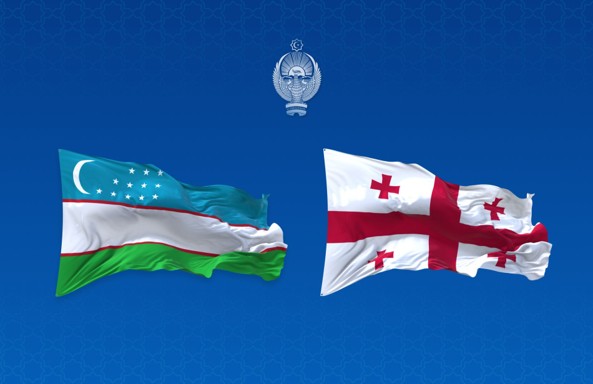
Bilateral relations between Uzbekistan and Georgia are underpinned by profound, centuries-old historical ties, and are undergoing a systematic, dynamic evolution across the political, economic, cultural and humanitarian spectrums in the contemporary era.
Two nations are bound not only by ancient trade routes but also by a comprehensive cooperation firmly anchored in mutual respect, trust, and a profound alignment of strategic interests. In recent years, high-level exchanges, substantial expansion of trade and economic ties and intensification of cultural exchange have successfully elevated bilateral relations to a qualitatively new and historic milestone.
Diplomatic relations between Uzbekistan and Georgia were established on August 19, 1994. Since then, the political dialogue between the two sovereign states has consistently and progressively advanced. In September 1995, Treaty of Friendship and Cooperation was signed, serving as the foundational legal instrument underpinning bilateral relations.
In recent years, regular engagements between Heads of State and Government have substantially enhanced the foundation of bilateral political trust. In particular, between 2022 and 2025, a profound impetus was imparted to the expansion of comprehensive cooperation through reciprocal official visits by the Prime Ministers of both nations, high-level presidential dialogues, sessions of the Joint Intergovernmental Commission and institutionalized political consultations between the respective Ministries of Foreign Affairs.
On March 5th, 2025, President of Uzbekistan received a high-level delegation led by the Prime Minister of Georgia, Irakli Kobakhidze, who arrived in our country on an official visit. During the meeting, the sides comprehensively reviewed matters pertaining to the further expansion of mutually beneficial cooperation across the trade, economic, investment, transport, logistics, tourism and cultural dimensions. It was noted with profound satisfaction that institutional contacts at the parliamentary and governmental levels of the two nations have intensified significantly.
Inter-parliamentary cooperation is likewise undergoing a consistent and progressive evolution. Concurrently, an inter-parliamentary cooperation group dedicated to fostering relations with the Parliament of Georgia functions actively within the Legislative Chamber of the Oliy Majlis. Furthermore, representatives of Georgia routinely participate as international observers in the presidential and parliamentary elections conducted within Uzbekistan.
A free trade regime operates between the two nations, serving as a catalyst for the sustained growth of reciprocal trade turnover. Over the past five years, the volume of bilateral trade has increased two and a half times, accompanied by a rise in the number of joint ventures and a substantial expansion in the volume of cargo transportation.
Furthermore, a digital bank established with the participation of Georgian investors is operating successfully within Uzbekistan.
Furthermore, in June 2025, “Made in Uzbekistan” National Exhibition was organized in Tbilisi, featuring the active participation of over one hundred premier Uzbek enterprises representing the textile, electrical engineering, pharmaceutical, food processing, mechanical engineering and other pivotal industrial sectors.
Matters of transit, transport, and logistical interaction occupy a distinctive place within the architecture of bilateral cooperation. In June of the current year, the official opening ceremony of the modernized Baku - Tbilisi - Kars railway was hosted in the city of Akhalkalaki. In the strategic perspective, the seamless integration of this transport corridor with the construction of the China - Kyrgyzstan - Uzbekistan railway will substantively reinforce the comprehensive transit potential of our respective nations.
Cultural cooperation between Uzbekistan and Georgia is likewise anchored in rich, enduring traditions. Cinema days, cultural festivals, as well as institutional events in the spheres of science and education, are organized on a regular basis.
In the preceding year, Days of Uzbek Culture and Cinema were successfully hosted in Tbilisi, while in the current year, Days of Georgian Culture were celebrated with grand success in Tashkent.
One of the enduring symbols of the profound bonds of friendship uniting the two sovereign states is a central avenue in the capital of Uzbekistan, which proudly bears the name of the eminent Georgian poet Shota Rustaveli, alongside a monument erected in his honor.
Concurrently, in 2025, by the decree of the Tbilisi City Assembly, a prominent central park in the capital of Georgia was officially named after the great Uzbek poet and thinker Alisher Navoi. This monumental gesture stands as a vivid testament to the deep, reciprocal reverence that both nations possess for each other's rich history and cultural heritage.
Today, direct air services operating on the Tashkent - Tbilisi and Tashkent - Batumi routes serve to further catalyze the robust expansion of tourism and business linkages between the two nations.
At present, approximately four thousand citizens of Georgian heritage reside in Uzbekistan. Furthermore, since 1994, the Georgian Cultural Center “Megobroba” ("Friendship") has successfully functioned in Tashkent, contributing significantly to the preservation and promotion of their distinct cultural identity.
It should be noted that the relations between the peoples of Uzbekistan and Georgia trace their roots back to deep antiquity. Ancient authors historically documented the existence of trade linkages between Khwarazm and Colchis, which were actively maintained along Amu Darya river and across the Caspian Sea.
Following the establishment of the Great Silk Road, particularly from the 6th century onward, one of the most critical commercial routes connecting the Caucasus and the Byzantine Empire traversed through Samarkand, Bukhara and Khwarazm. Furthermore, in Shota Rustaveli’s renowned 12th-century epic poem, Knight in the Panther's Skin, explicit reference is made to Khwarazm. This compellingly demonstrates that deep-seated historical, cultural and trade linkages actively existed between Georgia and Central Asia as early as the Middle Ages.
In subsequent periods, representatives of the Georgian people likewise took an active part in the public life of Uzbekistan, among whom were prominent entrepreneurs, architects, scientists, cultural figures and medical professionals. Distinct symbols of the enduring friendship between the two nations include the entrepreneur George Tsintsadze, under whose initiative the renowned “Colosseum” Theater was constructed in Tashkent, as well as Academician Edvard Rtveladze, who rendered an monumental contribution to the development of archaeological science in Uzbekistan.
The scientific heritage of Academician Edvard Rtveladze merits profound and distinctive attention. Hundreds of his scholarly works dedicated to the comprehensive history of Uzbekistan and the thorough examination of Great Silk Road, alongside groundbreaking research that successfully established the precise location of the ancient settlement in the Surkhandarya region, have garnered widespread international acclaim and constitute a monumental contribution to global historical science.
In conclusion, it should be emphasized that amidst the complexities of the contemporary international landscape, relations between Uzbekistan and Georgia continue to systematically evolve on the basis of unwavering mutual trust, open dialogue, and pragmatic cooperation. The steadfast political will of the Leaders of the two states, the dynamic expansion of economic and humanitarian linkages, and a rich historical heritage serve as a solid foundation for the further reinforcement of the mutually beneficial partnership between the two nations.
There is no doubt that such large-scale interaction, regular engagements, and constructive dialogue will continue to facilitate the expansion of comprehensive cooperation in the fields of trade, transport, investments, tourism, culture, and other domains, thereby forging a reliable foundation for the further progressive development of Uzbek-Georgian relations.
Dunyo IA
Uzbekistan at the Center of Economic Integration in the Turkic World
📅 13.05.2026
The Economic Agenda of New Uzbekistan Takes on a Regional Dimension
The strategic significance of the Turkic world is growing amid profound shifts in global logistics. The member states of the Organization of Turkic States (OTS) are forming one of Eurasia’s largest overland economic spaces, linking Central Asia, the Caucasus, Turkiye, and European markets.
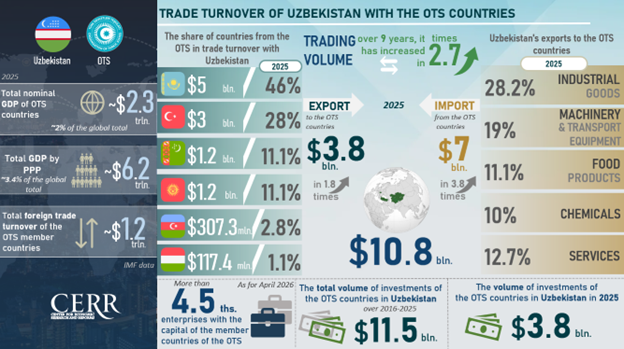
The OTS region is home to more than 170 million people and possesses substantial economic potential. In 2025, the combined nominal GDP of OTS member states reached approximately $2.3 trillion, equivalent to around 2% of the global economy. In purchasing power parity terms, GDP exceeded $6.2 trillion, accounting for 3.4% of world GDP. The aggregate foreign trade turnover of OTS countries surpassed $1.2 trillion.
Proven natural gas reserves across OTS member states amount to approximately 19.9 trillion cubic meters, while proven oil reserves total 38.2 billion barrels, making the region one of Eurasia’s prominent energy centers.
The Turkic world is characterized by a high degree of economic complementarity. Turkiye and Hungary possess advanced industrial and engineering capabilities, while Kazakhstan, Azerbaijan, and Turkmenistan hold substantial energy resources. Uzbekistan and Kyrgyzstan are strengthening their positions in manufacturing and agro-industrial production.
Against this backdrop, Uzbekistan is emerging as one of the most dynamic economies in the region. Over the past five years, the country has risen by 28 positions in Harvard Growth Lab’s Atlas of Economic Complexity, reaching 70th place among 145 economies. Average annual export growth stood at 13.4%, while non-energy exports expanded by an average of 17% per year, outpacing both regional and global trends.
In this context, the OTS is acquiring increasing practical economic relevance, with trade, transport, industrial cooperation, investment, and digitalization forming the foundation of a new model of regional connectivity.
Trade and Industrial Cooperation
Today, Uzbekistan’s cooperation within the OTS spans more than 35 areas. At the same time, the economic dimension of this engagement continues to deepen. Over the past nine years, Uzbekistan’s trade turnover with OTS countries increased 2.7-fold, from $4 billion in 2017 to $10.8 billion in 2025. Exports rose from $1.2 billion to $3.8 billion, while imports expanded from $1.8 billion to $7 billion.
Kazakhstan and Turkiye remain Uzbekistan’s largest trading partners within the OTS. Kazakhstan accounts for 46% of total trade, or approximately $5 billion, while Turkiye’s share stands at 28%, or around $3 billion. Trade with Turkmenistan and Kyrgyzstan also reached significant levels, totaling about $1.2 billion with each country.
The structure of trade is evolving. In Uzbekistan’s exports to OTS countries, manufactured goods account for 28.2%, machinery and transport equipment for 19%, food products for 11.1%, chemical products for 10%, and services for 12.7%. This reflects a gradual transition toward a more sophisticated trade model, with growing exports of finished goods, services, and products created through industrial cooperation.
Imports from OTS countries are closely linked to the needs of Uzbekistan’s modernizing economy. Key import categories include food products, mineral fuels, manufactured goods, machinery, and equipment, indicating the expansion of production linkages across the region.
According to estimates by the Center for Economic Research and Reforms (CERR), Uzbekistan has the potential to increase its exports to OTS countries by an additional $2.7 billion. The largest unrealized export opportunity is in Turkiye, where additional export potential is estimated at $1.8 billion.
This export potential is based on Uzbekistan’s competitive advantages across a number of product categories, particularly agricultural products such as dried fruits, vegetables, and nuts. The combined agricultural market of OTS countries is estimated at approximately $72 billion, where Uzbek producers already hold solid positions.
Further export growth could be driven by increased shipments of textiles, electrical equipment, construction materials, food products, fertilizers, copper, ethylene polymers, and other higher value-added goods.
Investment and the Institutional Framework for Cooperation
Trade integration within the OTS is being accompanied by deeper investment and industrial cooperation. Between 2017 and 2025, total investments from OTS countries into Uzbekistan exceeded $11.5 billion, including $3.8 billion attracted in 2025 alone.
These investments have been directed primarily to manufacturing, energy, agriculture, construction, and logistics. As of April 2026, more than 4,500 enterprises with capital from OTS countries were operating in Uzbekistan. These include joint manufacturing ventures, logistics projects, and industrial partnerships serving both regional and external markets.
Turkiye remains the most active investor. In 2025, Turkish investments totaled $2.4 billion, while the number of enterprises with Turkish capital in Uzbekistan reached 2,140. Turkish businesses are playing a major role in industrial production, construction, textiles, and transport and logistics infrastructure.
Kazakhstan, as Uzbekistan’s largest trading partner among OTS countries, is also one of its most important investment partners. More than 1,200 enterprises with Kazakh capital are currently operating in the country.
The signing of the Treaty on Allied Relations between Uzbekistan and Azerbaijan in 2024 has provided a major impetus to bilateral cooperation. As a result, 367 enterprises with Azerbaijani capital are now active in Uzbekistan.
The Comprehensive Strategic Partnership with Kyrgyzstan has contributed to an increase in the number of joint ventures to 346.
Although the number of enterprises with Hungarian capital remains relatively modest, the projects being implemented are notable for their scale and technological sophistication. These include poultry clusters in the Syrdarya Region valued at $165 million and wastewater treatment facilities in New Tashkent worth $59 million.
An additional mechanism supporting joint projects is the Turkic Investment Fund. In 2025, its authorized capital was increased from $500 million to $600 million, with Uzbekistan contributing $100 million. Going forward, the Fund could become an important instrument for financing infrastructure, industrial, logistics, and digital projects across the OTS region.
For Uzbekistan, investment cooperation within the OTS facilitates capital inflows, export-oriented production, technology localization, broader industrial cooperation, and deeper integration into regional value chains.
Transport Integration
For a landlocked country such as Uzbekistan, transport connectivity is a critical prerequisite for expanding foreign trade and integrating into global production networks. Accordingly, transport has become one of the central pillars of economic cooperation within the OTS.
Growing trade among member states has been accompanied by a significant expansion in freight flows. Kazakhstan remains Uzbekistan’s most important transport partner, serving as the main land bridge to Russia, the Caucasus, and Europe. In 2025, freight volumes between the two countries exceeded 22.3 million tons, including 19.6 million tons transported by rail.
The Kyrgyz route is also demonstrating strong momentum. In 2025, cargo volumes between Uzbekistan and Kyrgyzstan increased by 22.4% to nearly 5.4 million tons, while export shipments by all modes of transport more than doubled.
Transport cooperation with Azerbaijan and Turkiye is also expanding steadily. In 2025, freight volumes between Uzbekistan and Azerbaijan increased by 28.3%. Regular air service between Tashkent and Baku currently operates 14 times per week. Air links with Turkiye are similarly intensive, with 97 scheduled flights per week on eight routes, including services to Istanbul and Ankara.
Turkmenistan remains another important element of the regional transport system. A practical step toward facilitating border trade was the launch of the joint trade zone “Shavat–Dashoguz.” In 2025, freight volumes between the two countries rose by 22.5% to approximately 1.8 million tons.
As trade within the OTS expands, the development of resilient multimodal connectivity is becoming increasingly important. This requires an integrated system of corridors linking rail, road, air, and maritime infrastructure.
In this context, the Trans-Caspian International Transport Route, widely known as the Middle Corridor, has gained particular significance. For Uzbekistan, this route is important not only as a transit corridor, but also as a strategic channel for expanding exports to Azerbaijan, Turkiye, Europe, and the Middle East.
The relevance of alternative Eurasian transport routes is increasing amid ongoing changes in global logistics. The restructuring of supply chains due to geopolitical instability has already raised transport costs for Central Asian countries by as much as 30% and extended delivery times by several weeks.
Against this backdrop, the China–Kyrgyzstan–Uzbekistan Railway is becoming strategically important as a new East-West transport link. Once operational, the railway is expected to reduce delivery times to 10 days and enable the transportation of up to 15 million tons of cargo annually.
In the longer term, integration of this route with the Middle Corridor and the Trans-Afghan corridor could reshape the transport geography of Eurasia. In such a system, Uzbekistan would be positioned not only as a transit country, but also as a full participant in regional value chains, supported by its own cargo base, logistics centers, transport companies, and industrial facilities.
At the same time, further progress in transport integration will require coordinated policies within the OTS. Key priorities include tariff harmonization, infrastructure development, capacity expansion, digital customs procedures, and the alignment of technical standards. These areas are gradually shaping the organization’s practical transport agenda.
The Digital Agenda as Trade Infrastructure
The theme of the current OTS Summit in Turkistan, focused on artificial intelligence and digital development, is directly linked to the broader economic agenda. In modern trade, competitiveness depends not only on product quality and proximity to markets, but increasingly on the speed of customs clearance, supply chain transparency, digital interoperability, and access to information.
For OTS member states, digital integration could become one of the most practical and impactful areas of cooperation. Harmonizing e-commerce standards, mutually recognizing digital documents, integrating customs information systems, and creating digital business registries could significantly reduce transaction costs and facilitate market access.
This is particularly important for small and medium-sized enterprises. Many firms face fewer tariff barriers than informational constraints related to partners, certification requirements, logistics, and payment mechanisms. A unified digital platform for businesses across OTS countries could serve as a practical tool for expanding trade, especially within border regions and regional supply chains.
Over recent years, Uzbekistan has accumulated substantial experience in the digitalization of public services and the business environment. This experience could prove highly valuable within the organization, particularly in areas such as e-government services, digital platforms, customs administration, and entrepreneurship support.
Conclusion
The OTS is gradually evolving toward a more practical model of economic cooperation. For Uzbekistan, this process coincides with the current stage of economic reforms aimed at expanding export capacity, developing industry, and strengthening connectivity with external markets.
As economic interaction within the OTS deepens, Uzbekistan’s role in shaping regional trade, transport, and production linkages continues to grow. In recent years, cooperation within the organization has already acquired a stable economic dimension encompassing trade, investment, industrial cooperation, transport infrastructure, and logistics.
In this context, the agenda of the informal OTS Summit in Turkistan places particular emphasis on the development and application of artificial intelligence and digital technologies. This reflects the growing interest among member states in modern forms of economic interaction, especially the digitalization of trade and logistics, the expansion of electronic services, the integration of infrastructure solutions, and the reduction of transaction costs across the region.
Against this backdrop, Uzbekistan’s participation in the informal OTS Summit is increasingly acquiring a practical economic focus. The expansion of trade, development of multimodal transport corridors, deepening industrial cooperation, growth in investment ties, and enhanced digital connectivity are creating a strong foundation for further integration into Eurasia’s regional production and logistics networks.
Ziyoda Rizaeva
Head of Public Relations and Media Sector
Center for Economic Research and Reforms
Uzbekistan and Azerbaijan strengthen economic partnership
📅 15.05.2026
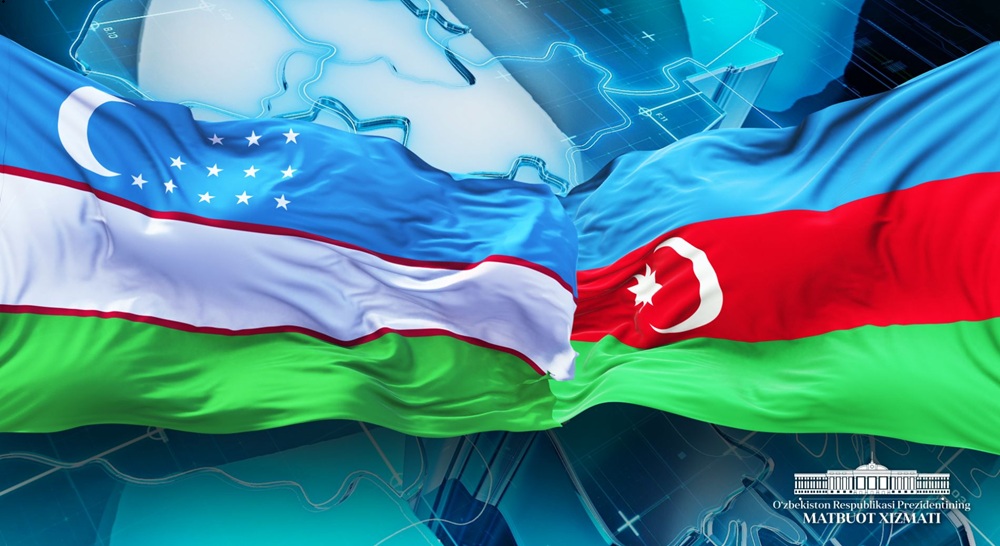
Economic relations between Uzbekistan and Azerbaijan have been steadily developing in recent years, forming a model of mutually beneficial and sustainable partnership. The introduction of a free trade regime between the two countries has strengthened the institutional foundation of this cooperation and contributes to the expansion of trade and investment ties.
Institutional Cooperation: Systematic and Continuous Dialogue
Intergovernmental institutions play an important role in the development of economic relations. In particular, within the framework of the Intergovernmental Commission, which has been operating since 1998, 14 meetings have been held, with the most recent one taking place in June 2025 in Baku. Within this platform, issues of trade, investment, and industrial cooperation are discussed on a systematic basis.
In addition, three “Uzbekistan–Azerbaijan Regional Forums” have been organized to promote interregional cooperation, and the fourth forum is planned for 2026, which indicates the continued expansion of bilateral relations.
The Uzbekistan–Azerbaijan Business Council, established in 2020, also serves as an important mechanism for enhancing economic cooperation by strengthening interaction between business communities.
Trade Turnover: Strong Growth Dynamics
The dynamics of trade turnover between the two countries demonstrate a positive trend. According to the results of 2025, total trade turnover amounted to USD 307.3 million, increasing by 14.6% compared to the previous year.
Exports reached USD 227.3 million, growing by 7.8%, while imports amounted to USD 80 million, showing a significant increase of 39.3%. This indicates a balanced and diversified development of trade relations.
In the first quarter of 2026, growth rates accelerated further: trade turnover reached USD 80.1 million, increasing by 42.5%. These figures confirm the strong momentum in the development of economic ties between the two countries.
Export Structure: Diversification and New Opportunities
In 2025, exports from Uzbekistan to Azerbaijan increased across 230 product categories. Particularly strong growth was observed in tobacco products, copper wire, grapes, nuts, household appliances, and petroleum products.
At the same time, exports were carried out in 116 new product categories totaling USD 7.8 million, which reflects the ongoing expansion of trade relations between the two countries. This plays an important role in diversifying the export structure and broadening the range of goods.
Imports: Mutually Beneficial Cooperation
Significant growth has also been observed in imports. In 2025, import volume increased by 39.3%, reaching USD 80 million. The main growth was driven by sugar, aluminum, metal pipes, and petroleum products.
This indicates the growing importance of Azerbaijan in supplying Uzbekistan’s economy with essential raw materials and industrial resources.
Transport and Logistics: Strategic Connectivity
Another key area of cooperation is transport and logistics. In 2025, total cargo transportation volume reached 154.3 thousand tons, increasing by 28.3%.
In the first quarter of 2026, this figure rose by 88% to 58.7 thousand tons. The increase in transportation volumes by rail, road, and air reflects the strengthening of logistics chains between the two countries.
The growth in transit cargo transportation (1.4 times in 2025) further enhances the strategic role of Uzbekistan and Azerbaijan in regional transport corridors.
In addition, the operation of 14 regular weekly flights on the Tashkent–Baku route demonstrates a high level of transport connectivity between the two countries.
The above analysis demonstrates that economic relations between Uzbekistan and Azerbaijan are steadily developing at a high pace. The presence of institutional cooperation mechanisms, sustained growth in trade turnover, diversification of export and import structures, and the expansion of transport links significantly enhance the strategic importance of this partnership.

ACADEMY OF ARTS OF UZBEKISTAN. OPEN CALL
📅 08.07.2024
OPEN CALL
The Academy of Arts of Uzbekistan invites you to participate
at the X Tashkent International Biennale
of Contemporary Art,
which will be held from 14 to 18 October 2024 in the city of Tashkent (Uzbekistan). Can take part in the Biennale artists of various areas of contemporary art and present your work on the topic
“Art and World”.
In addition to the main exhibition, the biennale will host a number of artistic and cultural events, such as exhibitions, lectures and master classes, an international conference, and a tour of the cities of Uzbekistan.
All expenses of foreign participants for their stay (meals, internal transportation, accommodation) in Tashkent, except for flights,
will be covered by the Organizing Committee.
Applications for participation in the Biennale are accepted until August 15, 2024 via Google form:
https://forms.gle/aUEMyfrsyQUsrp7b7
(detailed information is given in the attachment to this letter)
*Organizers have the right to make changes to the event program
*Application requirements
X International Biennale of Contemporary Art
(Tashkent, Uzbekistan, October 14-18, 2024)
|
Age: |
No limits |
|
Country of residence: |
No limits |
|
Field of Art: |
All fields of art, Fine and Contemporary Arts |
|
Financial Conditions: |
All expenses of foreign participants for their stay (meals, internal transportation, accommodation) in Tashkent, except for flights, will be covered by the Organizing Committee. |
|
Application order: |
Applications for participation in the Biennale are accepted only via Google form: |
Requirements for Art Works
|
Executor: |
For participation, ArtWork could have one or more authors |
|
Material: |
No limits |
|
Selection critiries: |
The works made during the last 2 years should be submitted to the competition. In terms of theme and content, they should correspond to the thematic focus of this Biennale, be executed at a high professional level, be conceptual, and carry innovative processes of contemporary art. |
|
The procedure for providing information about creative work to the Organizing Committee: |
1) Detailed information of the Art Work will be provided to the Organizing Committee by filling appropriate graph in the online Google form; 2) All Author’s Art Works should be collected in one PowerPoint presentation file (electronic format). The presentation must include only names and photos of the work. 3) Author’s ArtWorks should be provided from four angles; 4) Photo criteries: -Format: JPEG (JPG) or PDF -Minimum resolution: 2048 × 1080 pixels -Maximum size: 2 MB 5) Received works will be checked by the Organizing Committee, and selected Art Works for Biennale would be provided to the authors. |
|
Delivery method to the venue of Biennale : |
1) Applicants from Uzbekistan: transportation of the Art Work to the venue of Biennale and back to destination carried out by the participant itself ; 2) Applicants from other countries: transportation of the Art Work to the venue of Biennale and back to destination must be carried as participants baggage (cost of the baggage should be included to the amount of the ticket) |
|
Requirements for the weight of the work(s), already packed (for foreign participants): |
up to 15 kg |
|
Requirements for the size of packed work (for foreign participants): |
up to 1 cu.m.
*The cost of baggage is no compensated by the Organizing Committee of Biennale |
|
Additional conditions: |
1) Participant is responsible for the quality of packed work and safety of the Art Work before unpacking at the destination in Uzbekistan; 2) Organizers are responsible for safety of the work for the period of Biennale; 3) Organizers are responsible for the quality of packed work and safety of the Art Work after unpacking at the destination after shipping it back to the country of destination. 4) Art works could be sold on a commercial basis after performing in the Biennale, regarding the agreement of each side. |
*The organizers have the right to make amendments

A New and Technological Approach to Elections Begins
📅 26.07.2024
The Central Election Commission held a meeting and a series of events today, July 26th. The primary agenda item was the preparation and high-level accomplishment of the upcoming elections for the Legislative Chamber of the Oliy Majlis and the Councils of People's Deputies in full compliance with the Constitution and laws.
According to Article 128 of the Constitution of the Republic of Uzbekistan, elections for the Legislative Chamber of the Oliy Majlis and the Councils of People's Deputies are scheduled to take place on the first Sunday of the third ten-day period of October in the year their term expires. Considering that the term of the deputies of the Legislative Chamber of the Oliy Majlis and the Councils of People's Deputies ends in 2024, the elections will be held on October 27th of this year, and the election campaign will begin on July 26th, as decided by the Central Election Commission.
These elections mark a significant departure from the past, taking place in a new socio-political environment as stipulated by our Constitution. The meeting underscored the unique features of these elections, which include:
- For the first time in Uzbekistan's history, the Legislative Chamber of the Oliy Majlis elections will be conducted using a mixed electoral system, combining majoritarian and proportional systems. This significant change will see seventy-five deputies elected directly through the majoritarian system, where voters vote for specific candidates. The remaining seventy-five deputies will be elected based on votes cast for political parties under the proportional system.
- One of the most significant advancements is the full digitization of election commissions' activities at all levels and their interactions with participants in the election process. This development significantly reduces bureaucracy, time, and document handling in election procedures, ushering in a new era of efficiency in our electoral system.
- Our election legislation has been fundamentally improved to align with advanced democratic standards. These improvements include introducing a new system for election bodies led by the Central Election Commission and requiring political parties to ensure that at least 40% of their candidates for deputy positions are women. Additionally, a candidate must receive a relative majority of votes to be elected. If a candidate gets more votes than other candidates in their respective electoral district, they will be elected without needing a repeat vote.
- The elections are taking place in conditions of significantly strengthened parliamentarianism and the powers of representative bodies at the local level, as established by the Updated Constitution. Specifically, the absolute powers of the Legislative Chamber have increased from 5 to 12, and those of the Senate from 12 to 18. The parliament's oversight functions over the activities of executive, judicial, law enforcement agencies, and special services have been expanded. The institution of hokims leading local Councils of People's Deputies is being abolished. To enhance the role of representative bodies in resolving important state issues, 33 powers previously held by hokims have been transferred to local Councils.
The meeting underscored the significance of these elections as a vivid example of democratic state-building in our country and an essential means for citizens to exercise their constitutional rights to vote and be elected to democratic state bodies. The elections will involve the election of 150 deputies to the Legislative Chamber, 65 members to the Senate, 65 deputies to the Jokargy Kenes of the Republic of Karakalpakstan, deputies to 208 district (city) Councils in the regions and Tashkent city, with around 30,000 candidates and nearly 90,000 trusted representatives actively participating. Over 120,000 election commission members and more than 70,000 citizens and international observers are expected to participate in the election process.
Considering the important role of elections in state life and with the aim of widely engaging citizens in this process, the Central Election Commission announced that the elections will be held on October 27th under the slogan “My Choice—My Prosperous Homeland.”
The 'E-Saylov' information system is a key tool in making the election process more transparent and accessible. It facilitates around 60 interactions between election commissions, political party candidates, observers, and the media entirely electronically. Integrated with other electronic platforms, the system automates many procedures in the election process without human intervention. This system forms an extensive database of nearly 400,000 participants in the election process, including election commission members, candidates, and observers. Around 32,000 participants will professionally use the information system, which includes communication through 40 types of SMS notifications.
For citizens, the "E-Saylov" information system introduces several conveniences in obtaining election-related information. Specifically, it provides statistical data on voters and polling stations, information on candidates for various elections, and interactive maps to learn about candidates and their biographies.
The meeting emphasized that the "E-Saylov" information system represents a new level of technological advancement and transparency in elections.
It was also noted that according to Article 37 of the Election Code, political parties have the right to nominate candidates for deputies to the Legislative Chamber and local Councils.
To participate in the elections, political parties must have been registered by the Ministry of Justice at least four months before the announcement of the election campaign and collect at least 40,000 signatures supporting their participation.
Additionally, the meeting approved a calendar plan to ensure that the activities related to conducting the elections are carried out step-by-step within the timelines specified by election legislation. The Central Election Commission, as an impartial and independent constitutional body, will take all necessary measures to prepare for and conduct the upcoming elections in full compliance with national legislation and international election standards, ensuring the process is open and transparent.
A Press Center has also been established under the Central Election Commission.
Central Election Commission
of the Republic of Uzbekistan

-
 Ministry of Foreign Affairs of the Republic of Uzbekistan
 -
 Diplomatic Service of the Ministry of Foreign Affairs
 -
 State Committee for Tourism Development
 -
Ministry of Investments and Foreign Trade of the Republic of Uzbekistan
-
 invest.gov.uz
 -

-

-

-
-
-

-

of Uzbekistan in the Republic
of Latvia
When using the information, a link to www.uzembassy.lv
must be provided.
All rights reserved
Address
Address: Riga c., LV-1010. 11-11 Elizabetes Str., Latvia
Phone: 37167322424
Fax: 37167322306
Email: embassy@uzbekistan.lv
Useful links
HomeIssuance of biometric passport for departure abroad
Certificate to return to Uzbekistan
Withdrawal of citizenship
Loss of citizenship