Phone
Consular Issues
Phone
Uzbekistan news
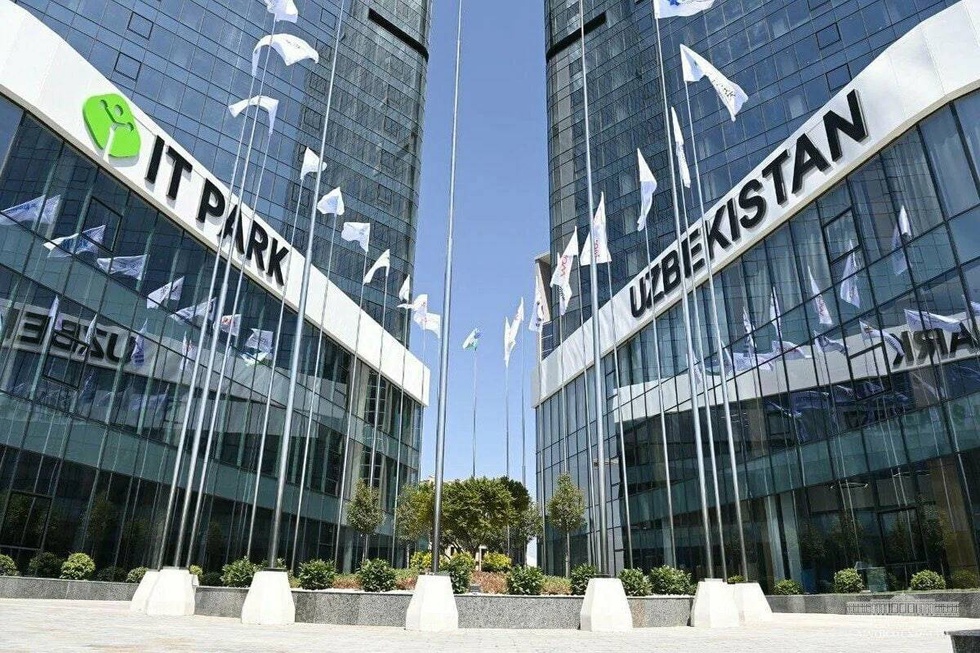
Central Asia and Azerbaijan Are Emerging as a Shared Hub for Startups, Investors, and Talent
Just a few years ago, Central Asia and the Caucasus were rarely considered major players in the global technology landscape. Today, that perception is rapidly changing. The region is steadily strengthening its position on the global innovation map, attracting international investors, technology companies, entrepreneurs, and venture capital.
What makes this transformation particularly remarkable is that the countries of the region are not developing as competitors, but as complementary innovation ecosystems. Each country is building on its own competitive strengths while contributing to a shared environment for innovation, knowledge exchange, investment, and cross-border collaboration.
A Region Evolving into a Unified Innovation Ecosystem
The progress made by Uzbekistan and Kazakhstan over the past few years illustrates this transformation particularly well. In 2026, Uzbekistan was named Country of the Year by StartupBlink, recognizing the country's remarkable startup ecosystem growth. Venture investments increased more than fivefold, the number of startups surpassed 1,200, and the country is now home to 22 venture capital funds managing over $200 million in combined assets.
Both Uzbekistan and Kazakhstan have prioritized building long-term innovation infrastructure. Each country has established its own Fund of Funds to accelerate venture investment and help startups scale internationally, while Kazakhstan's fund has reached a total capitalization of $1 billion.
Today, both countries have produced unicorn companies, developed globally recognized innovation institutions—including IT Park Uzbekistan and Astana Hub—and continue to earn the confidence of international investors.
From Bilateral Cooperation to a Regional Alliance
A major milestone in regional integration came with the launch of the Central Asian Innovation Hubs (CAIH) initiative in 2024 by IT Park Uzbekistan and Astana Hub. In 2025, IT Park Tajikistan joined the alliance, further expanding regional collaboration.
Since its establishment, dozens of startups from across the region have gained access to international markets in Europe and Asia through participation in major global events such as London Tech Week, GITEX Kazakhstan, and Digital Kazakhstan.
The alliance also established two international innovation hubs in 2025: Khan Tengri Innovation Hub in Shanghai and Tumar Innovation Hub in Dubai. Today, these hubs actively support startups in entering the U.S., European, Chinese, and Middle Eastern markets, facilitating investment opportunities while strengthening research and development capabilities.
Another important initiative has been the launch of joint Market Entry Programs. In 2025 alone, more than 50 startups expanded into international markets, including the United States, the UAE, China, and others. More than 20 startups also joined leading global acceleration programs, including Draper University Hero Training Program (6 startups), AlchemistX (10 startups), and the Silicon Valley Residency Program (6 startups).
Expanding Toward the Caucasus
Discussions are currently underway to bring Azerbaijan into this growing regional partnership, creating an integrated innovation ecosystem that connects Central Asia with the Caucasus.
One of the platforms where this collaboration is already taking shape is the international innovation summit INMerge. Over the past five years, the forum has evolved from a relatively small corporate gathering into one of the largest technology events in Central Eurasia. Today, INMerge brings together participants from Azerbaijan, Uzbekistan, Kazakhstan, Georgia, Türkiye, and many other countries to discuss artificial intelligence, venture capital, digital infrastructure, startup development, and international cooperation.
In 2026, INMerge expanded beyond Baku for the first time by launching its regional Roadshow format across major innovation hubs. One of its flagship destinations was Tashkent, underscoring Uzbekistan's growing role as a leading innovation hub in Central Eurasia.
For startups, events like INMerge represent far more than networking opportunities—they provide direct access to international investors, strategic partners, and new global markets.
Digital Startup Awards: A Gateway to the Global Stage
Another example of the region's growing integration is the Digital Startup Awards, an initiative launched by Uzbekistan to foster a more interconnected innovation ecosystem. The program brings together startup founders from eight countries across Central Asia, the Caucasus, and Mongolia, and has become one of the region's leading platforms for identifying high-potential technology ventures.
More than a competition, the Digital Startup Awards offers a comprehensive growth platform for founders looking to scale their businesses, strengthen entrepreneurial capabilities, expand internationally, and secure investment.
Interest in the program continues to grow. In 2025, the Digital Startup Awards reached a new milestone by receiving a record 1,025 applications from startups across Central Asia, the Caucasus, and Mongolia.
The initiative aims to identify promising technology companies, connect them with investors and strategic partners, support their international expansion, and deepen collaboration among regional innovation ecosystems. Through programs like these, talented founders gain opportunities to compete on the global stage, while Central Asia, the Caucasus, and Mongolia continue to strengthen their position as one of the world's most dynamic emerging innovation regions.
IT Park Uzbekistan
📅 21.07.2026
Uzbekistan news
Uzbekistan – Kyrgyzstan: Prospects for Cooperation on Water Resources
Central Asia and Azerbaijan: Prospects for a Common Transport Area
Central Asia and Azerbaijan Are Emerging as a Shared Hub for Startups, Investors, and Talent
Uzbekistan - Azerbaijan: economy of trust, routes and joint projects
Uzbekistan - Kyrgyzstan: from border neighborhood to long-term economic cooperation
Central Asia and Azerbaijan: Strategic Partners Building a Green Energy Hub Together
Through the Caspian to New Markets
Uzbekistan embraces the language of international law and becomes part of the global financial system
On July 24–25, Samarkand Will Bring Together Global Sister Cities at International Forum
Uzbekistan: An Open and Safe Destination Recognized by the International Community
Green Economy, Social Sustainability, and Transparent Governance: Uzbekistan’s New Development Formula
The text of the appeal of the participants of the first international forum of Islamic civilization to the head of State
Declaration adopted by the participants of the First International Islamic Civilization Forum
Uzbekistan–Belarus economic cooperation: promising projects in the Agri-food sector
Uzbekistan and Belarus: Stable Partnership and Strategic Development Prospects
Uzbekistan and Belarus strengthen multifaceted partnership based on mutual trust and pragmatic cooperation
Areas of Cooperation between Belarus and Uzbekistan in Strengthening Sustainable Transport Corridors in Eurasia
Uzbekistan–Belarus economic cooperation: promising projects in the Agri-food sector
Uzbekistan and Georgia: From historical friendship to a strategic partnership
Uzbekistan–Georgia Relations: Contemporary Priorities for Bilateral Development
Ecological cooperation between Uzbekistan and the United States elevated to the level of a strategic partnership
Cooperation Between Uzbekistan and Georgia in Strengthening Connectivity in Central Asia and the South Caucasus
Uzbekistan as an Operational Hub for Technology Companies: Key Figures, Conditions, and Advantages
“O'zbek futboli” – A Documentary Chronicle of a Century-Long Journey Toward the Nation’s Greatest Football Dream
GENDER POLICY IN UZBEKISTAN
Uzbekistan launches a brand new media bankfeaturing high-quality photo and video materials
Building Effective Transport Connectivity in the Context of Global Change
Uzbekistan as a Driver of Regional Connectivity: The Significance of the Termez Dialogue
A SHARED GENETIC CODE: THE REVIVAL OF THE CULTURAL AND CIVILISATIONAL HERITAGE OF CENTRAL AND SOUTH ASIA
The Termez Dialogue Sets the Course for Economic Integration with South Asia

-
 Ministry of Foreign Affairs of the Republic of Uzbekistan
 -
 Diplomatic Service of the Ministry of Foreign Affairs
 -
 State Committee for Tourism Development
 -
Ministry of Investments and Foreign Trade of the Republic of Uzbekistan
-
 invest.gov.uz
 -

-

-

-

-
-

-

of Uzbekistan in the Republic
of Latvia
When using the information, a link to www.uzembassy.lv
must be provided.
All rights reserved
Address
Address: Riga c., LV-1010. 11-11 Elizabetes Str., Latvia
Phone: 37167322424
Fax: 37167322306
Email: embassy@uzbekistan.lv
Useful links
HomeIssuance of biometric passport for departure abroad
Certificate to return to Uzbekistan
Withdrawal of citizenship
Loss of citizenship