Phone
Consular Issues
Phone
Uzbekistan news
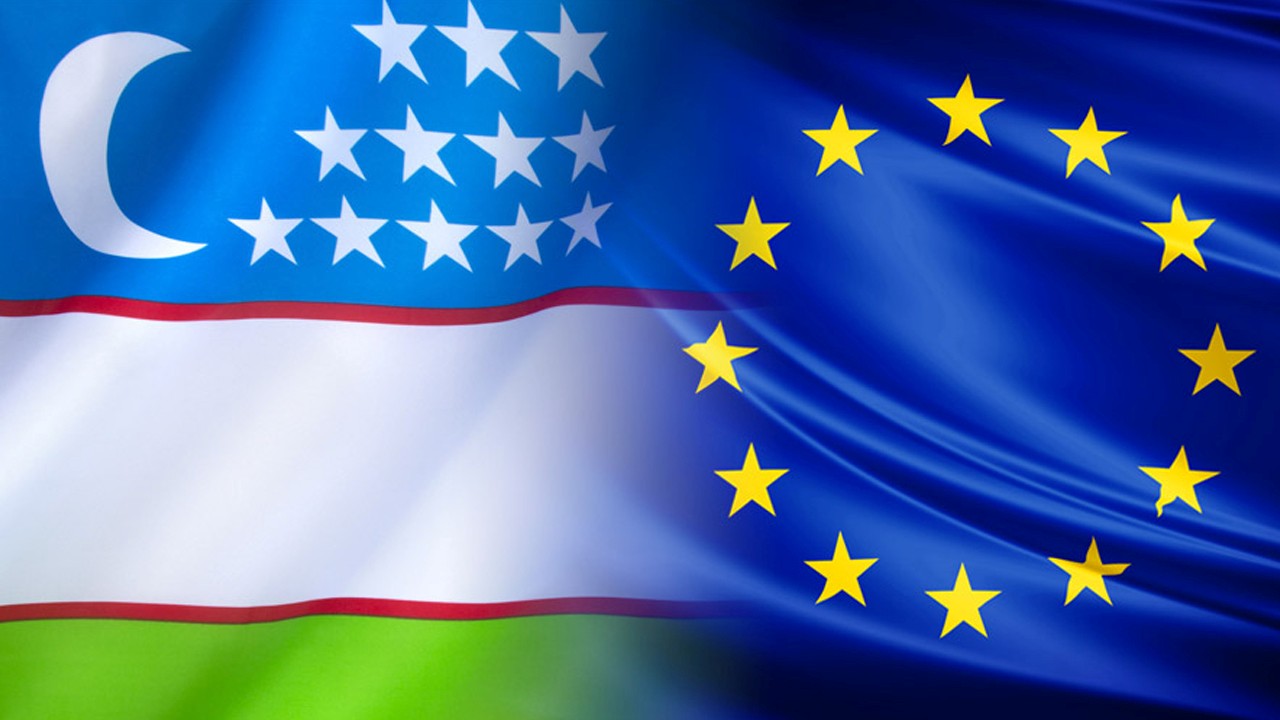
Tourism as a bridge for cooperation between Uzbekistan and the EU
In recent years, tourism has become one of the priority areas in Uzbekistan’s foreign economic strategy. As part of this policy, the country is actively strengthening its partnership with the European Union, turning the tourism sector into a powerful driver of economic growth, cultural exchange, and enhanced international reputation.
Collaboration with the EU encompasses a broad spectrum of initiatives — from joint infrastructure and digital projects to promoting tourism on the global stage. A significant milestone was the first “Central Asia – European Union” summit held in April 2025 in Samarkand. A declaration on strategic partnership was adopted at the summit, highlighting the importance of tourism development.
President of the Republic of Uzbekistan, Shavkat Mirziyoyev, put forward the “One Tour – The Whole Region” initiative, aimed at unifying Central Asian tourist routes in line with EU standards. The goal is to simplify visa procedures, promote cultural exchange, and make travel across the region more accessible and appealing to European tourists.
Cultural cooperation has become a key element of this partnership. One of the most notable events was the large-scale production of the ballet Lazgi, which symbolized the cultural dialogue between Uzbekistan and the countries of Europe. Uzbekistan is also participating in international programs such as Horizon Europe, which contribute to the development of scientific and educational potential, directly impacting the quality of tourism services.
The economic benefits are already noticeable. In 2025, Uzbekistan expects to welcome over 11 million foreign tourists, with industry revenues projected to reach $4 billion. To achieve these goals, the country is actively modernizing its infrastructure and implementing digital solutions in the tourism sector. For example, the CAREN program established high-speed connectivity between universities in Central Asia and Europe, promoting the exchange of knowledge and innovation in the field of tourism.
Special attention is given to promoting Uzbekistan’s tourism image on international platforms. Leading media outlets such as Euronews, BBC, CNN, and National Geographic present the country as a promising destination, which contributes to the growth of tourist inflow from Europe.
A significant contribution to the promotion was made by the roadshows organized in European capitals—Berlin, Paris, Madrid, Rome, Zagreb, and Warsaw. These events not only showcased Uzbekistan’s cultural heritage but also served as a platform for establishing business connections with tour operators and investors.
Moreover, sustainable tourism development is a key focus: projects aimed at preserving natural and cultural heritage are being implemented, environmental standards are being introduced in tourist areas, and green infrastructure is being developed.
The partnership between Uzbekistan and the European Union in tourism is more than just an exchange of experience—it is a strategic alliance that brings real economic, cultural, and social benefits. This collaboration creates new opportunities for the region, strengthens bonds between peoples, and makes Central Asia more open and appealing to the world.
Chairman of the Tourism Committee
U.Shadiev
📅 29.10.2025
Uzbekistan news
Inaugural Central Asia – Republic of Korea Summit at the highest level opens in Seoul
Uzbekistan and Korea: Advancing Green Energy and New Technologies
Uzbekistan and the Republic of Korea in the Emerging Framework for Cooperation with Central Asia
Tashkent brings together leaders and key deals in Polymer Market of Central Asia
The 1st Republic of Korea–Central Asia Summit: Why This Moment Matters
Uzbekistan – Serbia: A New Geography of Industrial Cooperation
The President of Uzbekistan’s Visit to Serbia: A New Stage in Economic Partnership Between Central Asia and the Balkans
Uzbekistan and the Republic of Korea: From Investment Partnership to Technological Cooperation
Regional Approaches to SDG Delivery: What Can Central Asia Offer?
Uzbekistan Opens a Balkan Gateway to Europe
The SCO Bishkek Summit: The Economic Agenda of a New Stage of Cooperation
Tourism: A new dimension of Uzbekistan-Kyrgyzstan partnership
Uzbekistan’s Role in the SCO: Economy, Security and Regional Cooperation
Economic Cooperation of Uzbekistan within the SCO at a New Stage of Development
Uzbekistan and Serbia: From Labour Mobility to a Strategic Partnership in Human Capital
Prospects for Uzbekistan–Serbia Cooperation in the ICT Sector
Prospects for Cooperation between the Republic of Uzbekistan and the Republic of Korea within the Framework of the Central Asia–Republic of Korea Cooperation Forum
THE SCO’S NEW FINANCIAL ARCHITECTURE: FROM COORDINATION TO PRACTICAL DEVELOPMENT MECHANISMS
INFORMATION NOTE ON COOPERATION WITH SERBIA
On September 8–10th, Tashkent to gather International Textile Industry Professionals
The Seoul Summit: Uzbekistan in the New Industrial Architecture of C5+1
New Opportunities to Expand Cooperation Between Uzbekistan and Serbia
Uzbekistan and Azerbaijan: Turning Political Alignment into Economic Growth
BRIGHT PROSPECTS FOR MUTUALLY BENEFICIAL PARTNERSHIP
Transport and Logistics Connectivity of the SCO Amid Geopolitical Turbulence: New Opportunities for the Regions
Business in Uzbekistan are moving from digitalization to technological modernization
Uzbekistan and Serbia expand prospects for cooperation in ecology and environmental protection
SCO AND WATER DIPLOMACY: IN PURSUIT OF COMMON INTERESTS
TASHKENT-DELHI: A NEW STAGE OF STRATEGIC PARTNERSHIP
On September 4–6th, Samarkand will host XII Inter-Parliamentary Union Global Conference of Young Parliamentarians

-
 Ministry of Foreign Affairs of the Republic of Uzbekistan
 -
 Diplomatic Service of the Ministry of Foreign Affairs
 -
 State Committee for Tourism Development
 -
Ministry of Investments and Foreign Trade of the Republic of Uzbekistan
-
 invest.gov.uz
 -
-

-

-

-
-

-

of Uzbekistan in the Republic
of Latvia
When using the information, a link to www.uzembassy.lv
must be provided.
All rights reserved
Address
Address: Riga c., LV-1010. 11-11 Elizabetes Str., Latvia
Phone: 37167322424
Fax: 37167322306
Email: embassy@uzbekistan.lv
Useful links
HomeIssuance of biometric passport for departure abroad
Certificate to return to Uzbekistan
Withdrawal of citizenship
Loss of citizenship